Dali Weather & Best Time to Visit
Dali is where Yunnan travel finally slows down. The unhurried rhythm between the Cangshan Mountain and the shores of Erhai Lake is the primary reason why travelers end up staying longer than planned. Because the region’s best experiences—from lakeside cycling to exploring ancient towns—are so closely tied to the weather conditions, the timing of a visit becomes essential.
Checking the weather in Dali, China before heading out is the best way to ensure the itinerary matches the reality on the ground.
Dali Weather: The Quick Essentials
Dali sits on a high plateau in northwest Yunnan, which gives it a classic highland monsoon climate. Temperatures in Dali, China stay surprisingly steady all year, but there’s a clear split between dry and rainy seasons. November to April is the dry season, while May to October is the rainy season, with showers mostly rolling in during the late afternoon or evening. A signature part of Dali's weather is the legendary wind, which gains momentum as it sweeps across the open waters of Erhai Lake.
What travelers really love about the climate of the city is how gentle it feels. The average temperature sticks to around 15–20°C (59–68°F). When looking at Dali’s yearly weather patterns, you’ll notice one thing right away: no extreme swings in temperatures. This year-round mildness is exactly what makes the city a perfect follow-up destination for any Kunming travel itinerary.
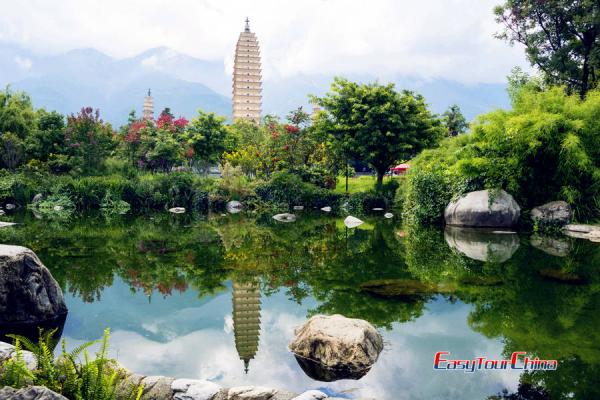
Dali Weather by Month
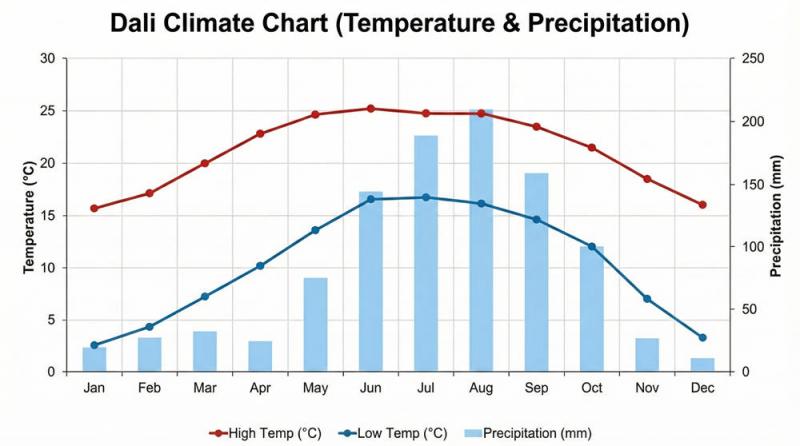
January and February are the coldest months, but “cold” in Dali is pretty mild—daytime temperatures usually sit around 15°C, with chilly mornings and nights. March and April warm up fast, and flowers start popping up everywhere. May is when summer slowly eases in: it’s warmer, greener, signaling the transition to the more humid months, though it’s still very comfortable for traveling to Dali.
From June to August, Dali’s climate stays pleasantly cool. Daytime temperatures of Dali in Yunnan usually hover in the low to mid-20s, and rain comes in short bursts rather than all-day downpours. September and October are often considered the golden months—azure skies, fresh air, and just the right balance between warm days and cool nights. November feels calm and dry, great for slow travel and photography. As for the December weather in Dali, winter settles in, but with plenty of sunshine and blue skies.
Dali’s Temperature and Rainfall by Month
| Month | High (°C) | Low (°C) | Rainfall (mm) |
| January | 15.7 | 2.6 | 22.8 |
| February | 17.1 | 4.3 | 31.2 |
| March | 20 | 7.2 | 36.6 |
| April | 22.8 | 10.2 | 27.2 |
| May | 24.6 | 13.6 | 83.9 |
| June | 25.2 | 16.6 | 144.9 |
| July | 24.7 | 16.8 | 193.7 |
| August | 24.7 | 16.1 | 209.8 |
| September | 23.5 | 14.6 | 160.1 |
| October | 21.5 | 12.1 | 101.8 |
| November | 18.5 | 7 | 30.6 |
| December | 16 | 3.2 | 12.2 |
Best Time to Visit Dali
To experience Dali at its absolute best, aim for spring (March–May) or autumn (September–November). These are the best times to visit when the air is refreshing, the views are at their most beautiful, and the temperature is just right. Spring and autumn are also the ultimate windows for photography or just getting lost in the old towns without worrying about the weather in Dali.
Summer is for dodging the humidity, while those who visit Yunnan in winter are met with brilliant blue skies and the serene charm of Dali. It all comes down to the intended atmosphere of the trip.
Dali Weather in Four Seasons
Spring (March–May): Flowers and Blue Sky
Spring in Dali has a mild temperature ranging between 15 °C and 20 °C, with a small temperature difference and less rainfall. It’s the time when Dali turns into a sea of flowers. Rhododendron on Cangshan Mountain, spring cherry blossoms along the Sanyue Street, and pear blossoms in the Lihua Village compete to bloom, decorating the city with beautiful petals.
Besides, the Ethnic Festival on the Sanyue Street is the traditional festival of the Bai, and locals celebrate it by racing horses, singing, and dancing, which is very lively, and you should never miss it during your Dali tours.
What to Wear
Pack layers. Long sleeves, a light jacket, and something warmer for early mornings or nights.
Top Things to Do
>> Recommended 4-day Dali adventure tour: hiking & biking
Summer (June–August): Cool Escape with Rainy Drama
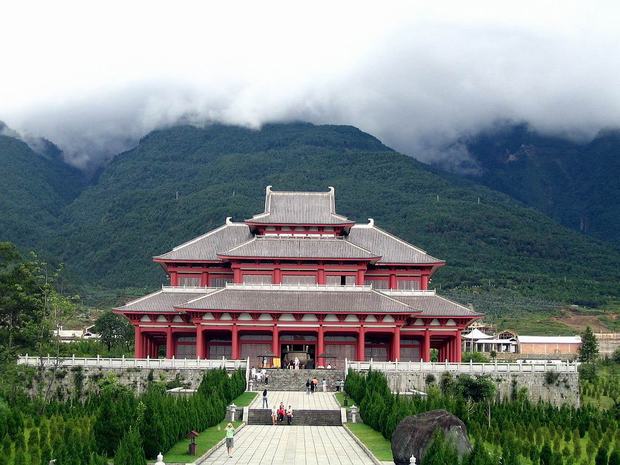
Dali is a great summer retreat for its mild temperatures of about 20 degrees. It’s also the rainy season, and there might be frequent showers in the afternoon, but the air turns fresher afterwards. Cangshan, covered in the mist and clouds, looks like an ink painting, and Erhai even shows double rainbows after the rain, which is really amazing. Just make sure to take an umbrella before you head out.
The summer weather in Dali also brings the legendary "Wild Mushroom Season," a highlight for any food-focused Yunnan tours. You can find rare gourmet treasures like matsutake and porcini in local markets.
What to Wear
T-shirt, short pants, skirts, and other summer clothes, plus a light jacket. Don’t forget an umbrella or raincoat.
Top Things to Do
>> Recommended 3-day Dali Old Town tour with Xizhou & Zhoucheng
Autumn (September–November): Amber Light and Harvest Gold
As one of the top destinations in Yunnan, China, Dali’s weather in autumn is hard to beat. The skies are beautifully clear and blue, and the air is crisp. Temperatures sit steadily in 15-22°C, rainfall drops, and the city becomes colorful. Rice fields near Erhai Lake turn yellow, Cangshan’s forests are blanketed with golden leaves, and the redwood trees show off their red coats. Golden ginkgo leaves drift against weathered grey eaves, a splash of autumn brilliance on the ancient town's silent history.
What to Wear
Long-sleeve tops, light sweaters, and a thin jacket for evenings.
Top Things to Do
>> Recommended 3-day relaxing Dali tour
Winter (December–February): Seagulls and Snowy Peaks
Dali’s weather in winter is comfortable, with ample sunshine and moderate average temperatures of 10-15°C, accompanied by occasional cold currents. There is a large temperature difference between daytime and evening. This is the window when red-billed gulls migrate here from Siberia, and Cangshan in white snow feels like a fairyland. Though it is the off-season, it’s ideal for those who enjoy tranquility.
What to Wear
A down jacket or thick coat, plus a scarf and gloves. Windproof layers help a lot.
Top Things to Do
>> Recommended 3-day Dali highlight tour
Dali Flower Blooming Calendar
Dali in Yunnan is celebrated for its four iconic charms: the wind, flowers, snow, and moon. You’re likely here just to catch the blossoms. No matter when you visit, something is usually in bloom.
| Flower | Bloom Time | Where to See |
| Magnolia | Jan–Feb | Shanshuijian residential area |
| Spring Cherry Blossoms | Feb–Mar (late Mar peak) | Shanshuijian, Dali University, city streets |
| Rapeseed Flowers | Feb–Mar | Xizhou Old Town |
| Jacaranda | May–Jun | Hongsheng Road, Xijing Line, Fengyi Road |
| Lotus | Jul–Aug | Dali Lotus Garden, Xinyi Village |
| Ginkgo | December | Yuer Road, Dali Old Town |
| Winter Cherry Blossoms | Late Dec | Xiaoyuanzi area, Lvyu Road |
Insider Tip: How to Read the Dali Weather Forecast
Dali is one of those places where the weather can make or break your plans. Many travelers see a month-long rain forecast and panic—but here’s the trick. The Dali weather forecast changes fast, sometimes several times a day.
- Rain forecasts don’t mean all-day rain—often it’s just brief showers
- Temperature trends matter more than rain icons
- Stable temperatures generally mean short showers
- Sudden drops of 5–8°C = heavy rain
- Rapid warming almost always means sunshine
When checking Dali’s weather now, focus on temperature patterns, not just rain symbols.
Beyond the forecast, keep in mind that UV radiation remains intense year-round in Dali, Yunnan, so high-SPF sun protection is a must even on cloudy days. Also, because early spring and late autumn bring legendary strong winds, the air can feel very stripping—be sure to pack a rich moisturizer to prevent dry skin.
>> More Dali travel tips
Times to Avoid for Dali Travel
While Dali is great for touring year-round, certain periods might test your patience. Major holidays like May Day and National Day are the worst for crowds and skyrocketing prices. Late May through July brings the heaviest rain, and this shift of weather in Dali can sometimes mess with your outdoor plans. Also, the lake wind from January to March is strong enough to blow you off a bike—not ideal for cycling. Whenever possible, pick your dates to avoid these peaks for a much smoother tour in Dali.