Harbin Weather & Climate | Best Time to Travel to Harbin
Harbin is famous for its very cold winters, long ice period and beautiful snow and ice scene. How is weather in Harbin now? When is the best time to travel to Harbin? Which's the coldest month and hottest month? What to wear? The article sums up the tips you need.
In Heilongjiang Province, China’s northernmost province, Harbin is at the same latitude as Montreal, and winter temperatures as low as -38.1°C have been recorded. One of the best winter destinations in China and in the world, Harbin can also be a great place to visit in summer in China, if you want to escape the summer heat. The average temperature of hottest July is about 24.7 degree Celsius. The Harin weather in summer is cool and it seems to be perpetually breezy, and most of Harbin's streets are lined with trees. The annual precipitation is around 562mm.
Harbin Climate
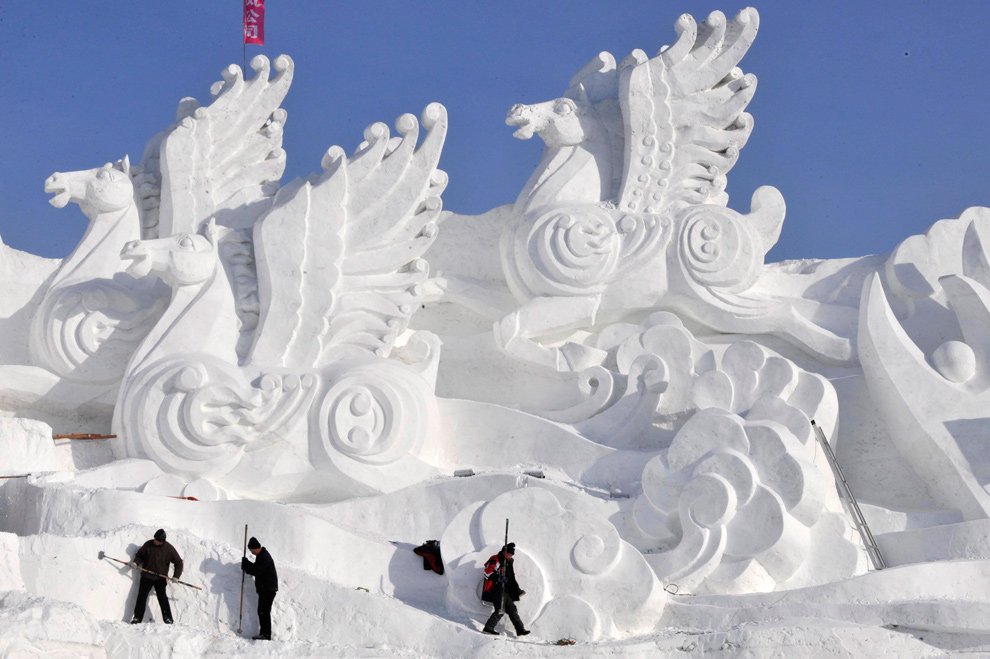
Harbin has a temperate continental monsoon climate. The summer is short and cool, while the winter is long and cold. Therefore, it is known as the "Ice City" and the "Summer Capital". The temperature fluctuates rapidly during the transitional period from spring to autumn, which lasts for a short time, with the spring temperature slightly higher than the autumn temperature.
How is the Weather of Harbin
The average temperature in Harbin during summer (June to August) is 22.3℃, and the average temperature in winter (December to February of the following year) is -14.6℃. The hottest month is July, with an average temperature of 24.7℃ and a maximum temperature of 34.1℃. There are relatively few hot days.
The historical extreme maximum temperature can reach 36.4℃ (which occurred on July 9, 1951, July 18, 1952, and June 27, 1980, etc.). the coldest month is December, with the lowest temperature at -27℃ and the highest temperature at -3.9℃. There are three consecutive months in winter with an average temperature below -5℃, and the historical extreme minimum temperature is -38.1℃ (which occurred on January 4, 1970).
Is It Windy in Harbin
The southerly and southwesterly winds prevail in Harbin during summer, with an average wind speed of 2.9 meters per second. The wind speed is relatively small, and the maximum wind speed is less than 9 meters per second, and there are no extreme strong wind conditions.
The southwesterly wind prevails in winter, with cold winds lasting for a long time, and the average wind speed is 2.8 meters per second; the maximum wind speed occurs in November, with an average wind speed of 3.6 meters per second, and the extreme wind speed can reach 9.8 meters per second.
When Is the Rainy Season in Harbin
The average annual precipitation in Harbin is generally between 494 and 651 millimeters. The precipitation mainly occurs from July to August, accounting for 66% of the annual precipitation; the winter precipitation is the least, accounting for about 4% of the annual precipitation.
How Long Does It Snow in Harbin?
The average number of snow-covered days in the city is generally 110 to 129 days. The snowfall period is from November to March. The winter with the snowfall period spanning from November to January. Winter snowfall is substantial, with maximum snowfall exceeding 15 millimeters.
Harbin's frost-free period lasts 145 days. Annual sunshine hours across the city's counties range from 2,410 to 2,750 hours, with western areas receiving more than eastern areas.
Harbin Weather Yearly: Averages
Check below Harbin weather by month, you can have a general idea of the local temperature and weather averages, and understand the coldest month and hottest month. It will help a lot for you to prepare and pack for your Harbin tour.
|
Jan |
Feb |
Mar |
Apr |
May |
Jun |
Average High (F) |
6/10 |
15/18 |
33/36 |
53/57 |
68/72 |
77/81 |
Average High(C) |
-14/12 |
-10/-8 |
1/3 |
12/14 |
20/22 |
25/27 |
Average Low (F) |
-15/-12 |
-9/-5 |
10/14 |
30/33 |
44/47 |
55/59 |
Average Low (C) |
-26/-24 |
-23/-21 |
-12/-10 |
-1/1 |
6/8 |
13/15 |
Rain (in) |
0.1/0.2 |
0.2/0.3 |
0.4/0.5 |
0.8/0.9 |
1.6/1.7 |
3.4/3.5 |
Rain(mm) |
<5 |
5/10 |
10/15 |
20/25 |
40/45 |
85/90 |
|
Jul |
Aug |
Sep |
Oct |
Nov |
Dec |
Average High (F) |
81/85 |
78/82 |
68/71 |
52/56 |
30/33 |
12/16 |
Average High(C) |
27/29 |
26/28 |
20/22 |
11/13 |
-1/1 |
-12/-9 |
Average Low (F) |
63/67 |
60/63 |
46/50 |
30/34 |
10/14 |
-7/-4 |
Average Low (C) |
17/19 |
15/17 |
8/10 |
-1/1 |
-12/-10 |
-22/-20 |
Rain (in) |
6.3/6.4 |
4.6/4.7 |
2.4/2.5 |
1.1/1.2 |
0.3/0.4 |
0.2/0.3 |
Rain(mm) |
160/165 |
115/120 |
60/65 |
25/30 |
10/15 |
5/10 |
Please note: The above data is based on historical weather data for Harbin. If you need to check the current weather or the weather forecast for Harbin for the next 10/15 days, please follow Harbin's weather forecast.
When is the best season to visit Harbin?
According to the Harbin weather and temperature, summer from July to August with mild weather is best season to visit Harbin. However, the winter from December to February, with the Harbin Ice Festival, the fairytale snow scene and various fun winter activities, is the best time to travel to Harbin for people who love snow and winter activities, such as skiing, skating, snowmobile, etc.
Harbin Weather in Different Seasons & Travel Tips
Harbin Weather in Winter (November–February)
Under the influence of Siberian cold air, winter lasts approximately six months. Precipitation is scarce, primarily falling as snow (with occasional blizzards). The annual average snowfall is about 23.6 millimeters, with an average of 105 days of snow cover. The maximum depth of frozen soil can reach 2 meters. The climate is dry with low humidity and relatively light winds.
Top Things to Do
Harbin transforms into a winter wonderland during the Ice and Snow Festival. Harbin Ice and Snow World, Sun Island, and Zhaolin Park showcase creative snow sculptures and ice lanterns of all shapes and sizes. Enjoy snow/ice activities for all ages—super ice slides, snow hot spring camps, winter fishing, and more.
Harbin Polarland, Volga Manor, and Siberian Tiger Park are also must-visits if you will travel with kids.
For an extended adventure to embrace snow, head to Yabuli Ski Resort, hike through China Snow Snow, ride a sleigh, and immerse yourself in traditional Northeast China winter life.
>> Recommended 3 Days Harbin Ice Festival Tour
What to Wear
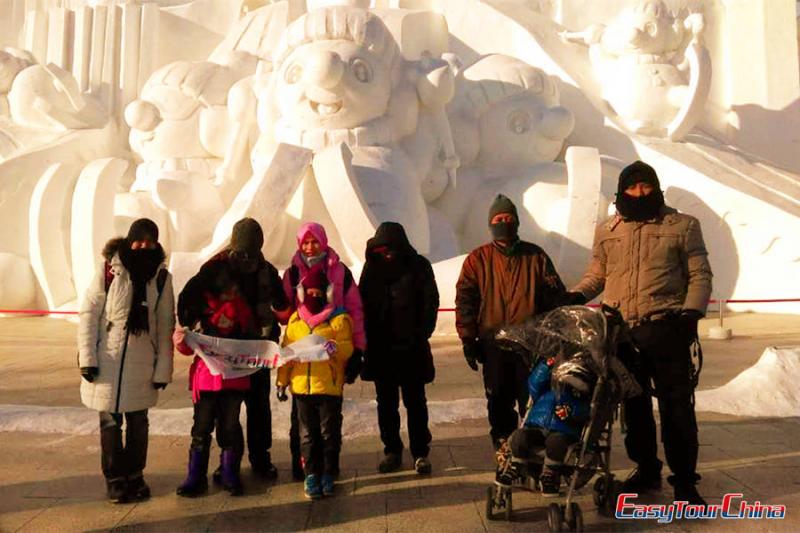
Opt for the “onion-layering” method: three layers. Base layer: quick-dry, breathable fabric. Mid layer: fleece or lightweight down jacket. Outer layer: windproof, waterproof jacket or down coat. Also essential: insulated hat, waterproof/windproof gloves, snow boots, wool socks, and a thick scarf.
Harbin Weather in Summer (June - August)
Harbin's summer is short and warm, but the period of high humidity and heat usually lasts no more than 20 days. In addition, precipitation is concentrated in the summer, with frequent thunderstorms. The rainfall accounts for 65% of the annual total, averaging 379 millimeters.
Top Things to Do
Harbin's summer offers a pleasant escape from northern China's heat. Stroll along Harbin Central Street to admire the European-style architecture lining both sides and experience the charm of this “open-air architectural museum.” Visit St. Sophia Cathedral Harbin, which appears especially majestic under the summer sky. Sun Island Scenic Area boasts lush greenery during the summer months.
You can also take the Songhua River sightseeing cable car to enjoy a bird's-eye view of the city and the Songhua River. Besides, in summer, Harbin may also host some cultural festivals, beer festivals or music festivals.
What to Wear
Wear T-shirts, long pants/shorts, and a jacket. Carry an umbrella or raincoat when going out.
>> Recommended Private Harbin Day Tour
Harbin Weather in Spring (March - May)
In spring, the temperature in Harbin rises rapidly, but there is little precipitation. The air is dry, and frequent strong winds (with wind speeds reaching 5-6 levels) can easily cause sandstorms, droughts and forest fire hazards.
Top Things to Do
Spring is an ideal time to explore the urban landscape and natural scenery of Harbin. In early April, you can witness the gradual cracking of the ice on the Songhua River, providing a direct observation of the transition from winter to spring. On Sun Island Scenic Area, you can see the trees sprouting. Indoor venues such as the Heilongjiang Museum, Saint Sophia Church, and Harbin Concert Hall are also excellent choices.
After the Songhua River thaws, fishermen will catch the freshest "opening river fish", don't miss it!
What to Wear
Thermal sweaters, lightweight sweaters, down jackets, scarves and hats are still essential.
Harbin Weather in Autumn (September - October)
Affected by cold air, the temperature in Harbin drops sharply in September, with the daily temperature difference reaching up to 15℃. The first frost usually appears in late September. Precipitation is relatively reduced compared to spring, but it is still more than that in spring.
Top Things to Do
Apart from the must-visit attractions within Harbin city, you can also consider visiting the nearby countryside to experience farming and harvest festivals.
What to Wear
You still need to pack long-sleeved T-shirts, thin sweaters, windbreakers, jackets, thin down jackets, hats and scarves.
FAQS on Harbin Weather
How cold is Harbin in January?
Please see above the average temperature of Harbin in January. You can see that it is coldest month of the year, with average nightly low temperature is -246°C (-15 °F), and the average daily high temperature is -12 °C (10 °F).
What should I wear in Harbin in winter?
It is extremely cold in winter. You are suggested to wear approximately to keep warm. When you are preparing for your trip to Harbin, make sure you pack a warm coat, such as outdoor winter jacket, down jacket, or those made of wool or fur. Other necessary clothing include winter hat, scarf, gloves, snow boots, etc.
When is Harbin snowy?
As we mentioned above, in Harbin, it usually snows from November to March of next year. Sometimes, there is even snowstorm in winter. So check the weather forecast before your Harbin trip, in case of any bad weather.